
Landing in Melbourne: Our Smart Dual-SIM Strategy and the Ultimate Head Start for Our New Life (Day 1)
Stepping out of Melbourne Airport, the very first thing my wife and I noticed was the distinct quality of the Australian summer.
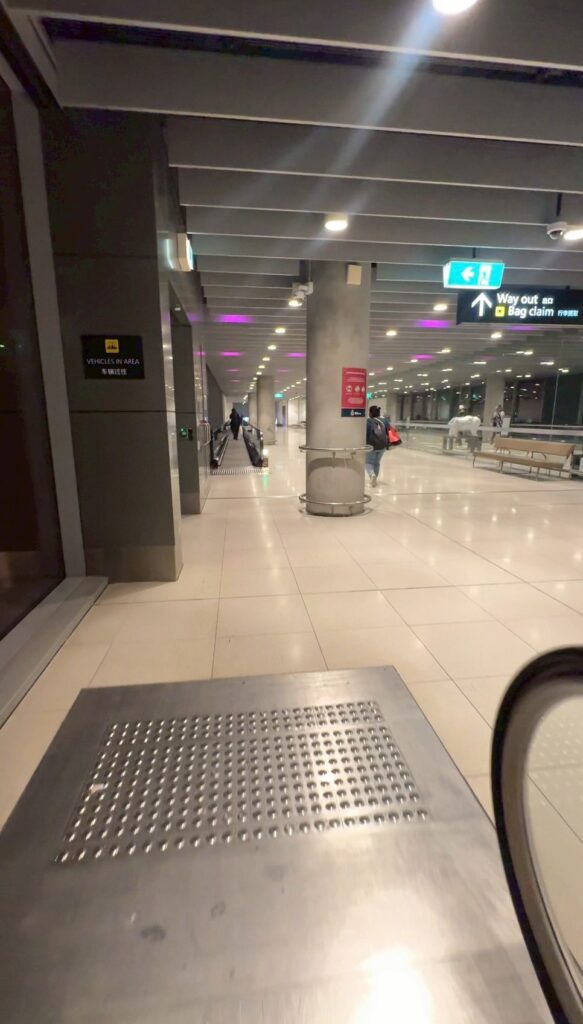
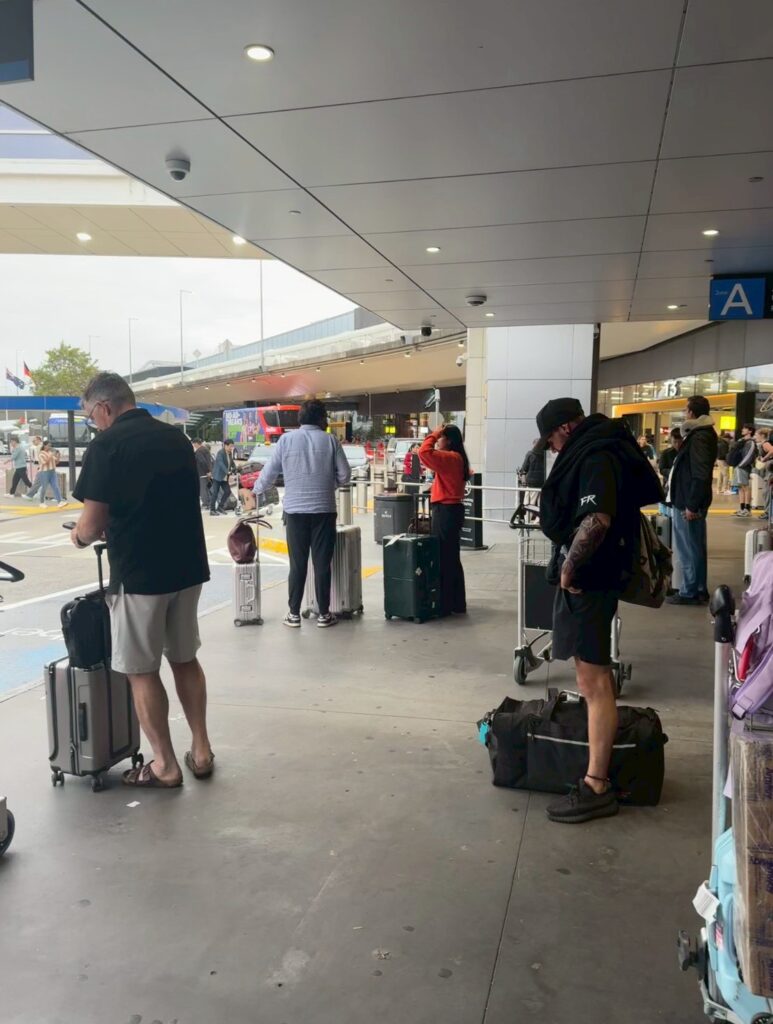
We had just left Japan in the middle of winter, completely bundled up in heavy layers. Stepping outside, we were greeted by a wave of warmth well over 30°C. However, unlike the suffocating humidity of Japanese summers, the air here was incredibly dry and crisp. While the temperature itself felt manageable at first, the real shock was the intensity of the sun—the sunlight felt sharp, almost piercing our skin. Standing in the terminal, sweating under our winter clothes, it finally sank in: We had actually arrived.
However, there was no time to romanticize the moment. Our hearts were heavy with worry. Bell, our beloved Ragdoll cat, wasn’t with us. Due to strict quarantine laws, she had been taken straight to a 10-day isolation facility. For the next ten days, our minds would be constantly consumed with anxiety, hoping she was okay.
But our new life was starting right then and there. Our immediate goal in Australia was clear: head out to a regional area, complete 88 days of specified agricultural work to secure our Second Working Holiday Visa, and set up a stable foundation for our long-term journey. To make that happen, we had a mountain of tasks to conquer on Day 1.
1,The Dual-SIM Strategy: Why We Bought Telstra & Amaysim for Long-Term Security
Our immediate, absolute priority at the airport was getting internet access. Without it, we couldn’t even call a ride. Since we were heading to the countryside for our 88 days of farm work, I had heavily researched Australia’s notorious reception gaps.
Our goal was to balance cost-efficiency with high reliability. To achieve this, we set up a Dual-SIM system right at the terminal using eSIMs:
Telstra (eSIM): 300GB / 365-Day Plan. (Luckily, they were running a special promotion at the time, allowing us to secure a massive 300GB block! We chose them for their bulletproof coverage in remote outback and regional farming areas).
Amaysim (eSIM): 200GB / 365-Day Plan. (Powered by the Optus network, a highly smart choice to cut daily data costs while maintaining an excellent connection).
By purchasing long-term, pre-paid yearly data blocks instead of monthly recharges, we secured a solid internet environment while keeping our budget perfectly under control. The moment the signal bars lit up on our phones, we breathed our first sigh of relief.
2.Escaping to Deer Park: Our Shared Airbnb Reality and the Urgent Need for a Car
This Airbnb was a share-house style property. We had our own private room, while the spacious kitchen, living room, toilets, and showers were shared with other guests. A professional cleaning service came about twice a week, so the communal areas were kept remarkably clean.
Inside our private room, there was no air conditioning, but they provided us with essential supplies like laundry detergent and toilet paper, and we could always ask for refills. The kitchen and refrigerator were highly organized, with specific shelves and sections allocated to each room number. This system completely eliminated the common share-house anxiety of “someone stealing my food.”
While this environment was perfectly fine and comfortable enough for humans, living here with our cat, Bell, was absolutely out of the question. February in Melbourne is intensely hot, and leaving a long-haired Ragdoll in a room without air conditioning was a dangerous life-or-death risk.
To survive the regional areas, move into an air-conditioned caravan, and tow that heavy rig for our future mobile life, we needed to get a vehicle as soon as possible—a tough, powerful partner.
Lying on the bed in our temporary room, I pulled out my smartphone and began a furious, non-stop scrolling and research session.
3,Preparing for Day 2: TFN, NAB Bank Setup, and Insurance
Moving your life to a new country means drowning in paperwork from day one. Using my phone, I knocked out our Tax File Number (TFN) applications online—an absolute must if you want to work legally in Australia.
Next, I mapped out our strategy for Day 2: opening our Australian bank accounts. Back in Japan, we had already wisely set up our Wise accounts to handle international money transfers smoothly. Now, we needed a local physical bank account with NAB (National Australia Bank) to link everything together. I used my phone to double-check the required identification documents and the nearest branch in the CBD.
At the same time, I was scanning Facebook Marketplace for that tough 4WD to be our future rig. When a promising listing caught my eye, I immediately fired off a message. The seller replied formally, stating that they had time available and that an inspection would be possible the following day.
Suddenly, Day 2 became critical. If we liked the car, we would buy it on the spot. That meant I had to spend the rest of the night glued to my phone screen, frantically comparing Australian car insurance quotes while completely exhausted.
Conclusion: A Taste of Comfort and a Relieved Heart
For our very first dinner in Australia, we didn’t go to a fancy restaurant or grab local fast food. We cooked a simple, comforting bowl of Japanese Udon that we had packed in our luggage. In a strange, quiet room thousands of miles from home, that familiar, everyday taste was exactly what we needed to unwind.
Just as we finished eating, a notification popped up on my phone. It was an email from the quarantine facility: Bell had arrived safely and was settling into her enclosure.
A massive weight lifted off our shoulders. She was safe. We had internet. We had a roof over our heads, a solid plan to hit NAB in the morning, and a car inspection confirmed for tomorrow afternoon.
We collapsed into bed, utterly spent, ready to conquer the Melbourne CBD and the Facebook Marketplace jungle the following morning.
Leave a Reply